


03 Oct 2026 · 8 min read
What a Large Pizza Really Costs in Philadelphia in 2026
Verified 2026 menu prices from six Philadelphia pizzerias show a large pie running $9 to $35 — here's what explains the spread.
Philadelphia Pennsylvania cost breakdown04 October 2026 · 8 min read
Ask most people to name a pizza style and you'll hear the same four: New York, Neapolitan, Chicago deep-dish, maybe Detroit if they've been paying attention. Those are real categories and worth knowing, but they leave out some of the country's most distinctive regional pizza — the kind that locals will argue about for an hour and that doesn't fit neatly into a national chain's menu. This guide covers three of them: New Haven apizza, tavern-style bar pie, and Sicilian square pizza, plus a reminder of how true Neapolitan differs from all of it. All of the places named below are listed on We Go Pizza, and the descriptions of what each one serves come from what's visible on its listing — category tags, business descriptions, and customer reviews — not from outside claims.
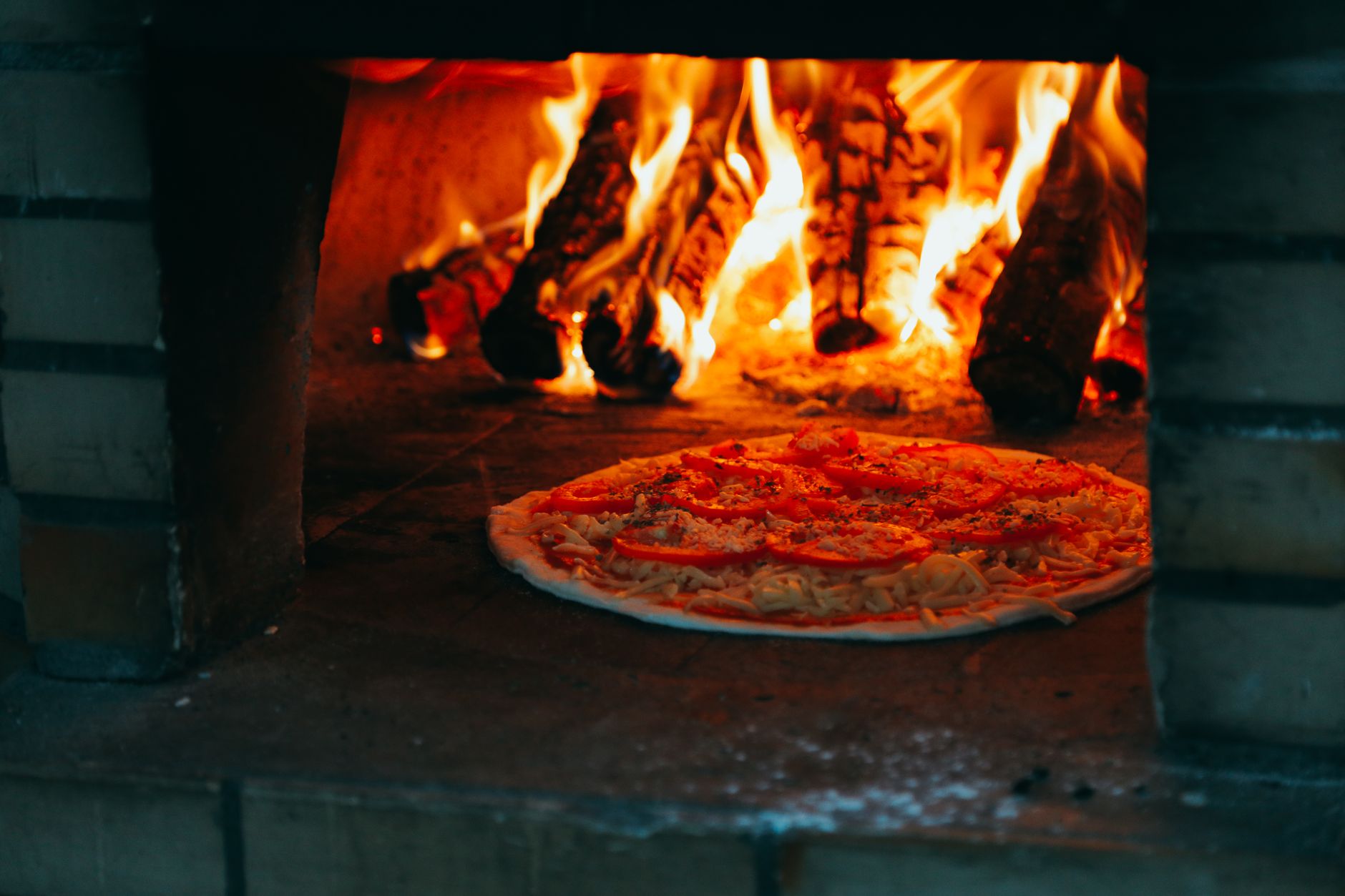
"Apizza" (pronounced ah-BEETZ, a Neapolitan dialect word) is what New Haven, Connecticut calls its own pizza, and the city treats it as a point of civic pride. The defining feature is the oven: old-school apizza houses use coal- or wood-fired ovens that run extremely hot, which produces a thin, charred, slightly blistered crust that's crisp enough to fold but still chewy at the center. Traditional pies skip the thick blanket of mozzarella you'd expect elsewhere — many old-guard spots serve a plain tomato pie with just a scattering of cheese, or no cheese at all, and the white clam pie (clams, garlic, oil, and grated cheese, no tomato sauce) is a New Haven signature you won't find as a staple anywhere else.
Pizza Restaurants · New Haven, Connecticut
Sally's Apizza on Wooster Street is one of the two names most associated with the style, along with its longtime cross-town rival. Reviewers describe waiting for a table and ordering the plain cheese pie as a baseline test of the kitchen.
Pizza Restaurants · New Haven, Connecticut
Modern Apizza, also on the New Haven circuit, gets the same kind of loyalty — reviews describe the plain pie with fresh garlic as a reference point for the style, and note the place's long history in the neighborhood.
If you're planning a trip around apizza, go in with low expectations for décor and high expectations for crust char. Most of these spots are old, cash-friendly, and not set up for large parties without a wait, so call ahead if you're bringing a group. New Haven is compact enough that you can walk between several apizza houses in an afternoon, which is part of why pizza tourism is a real thing there — people drive in from other states specifically to compare two or three pies in one trip. You can browse more of the city's pizzerias on the New Haven pizza page or see everything listed in New Haven.
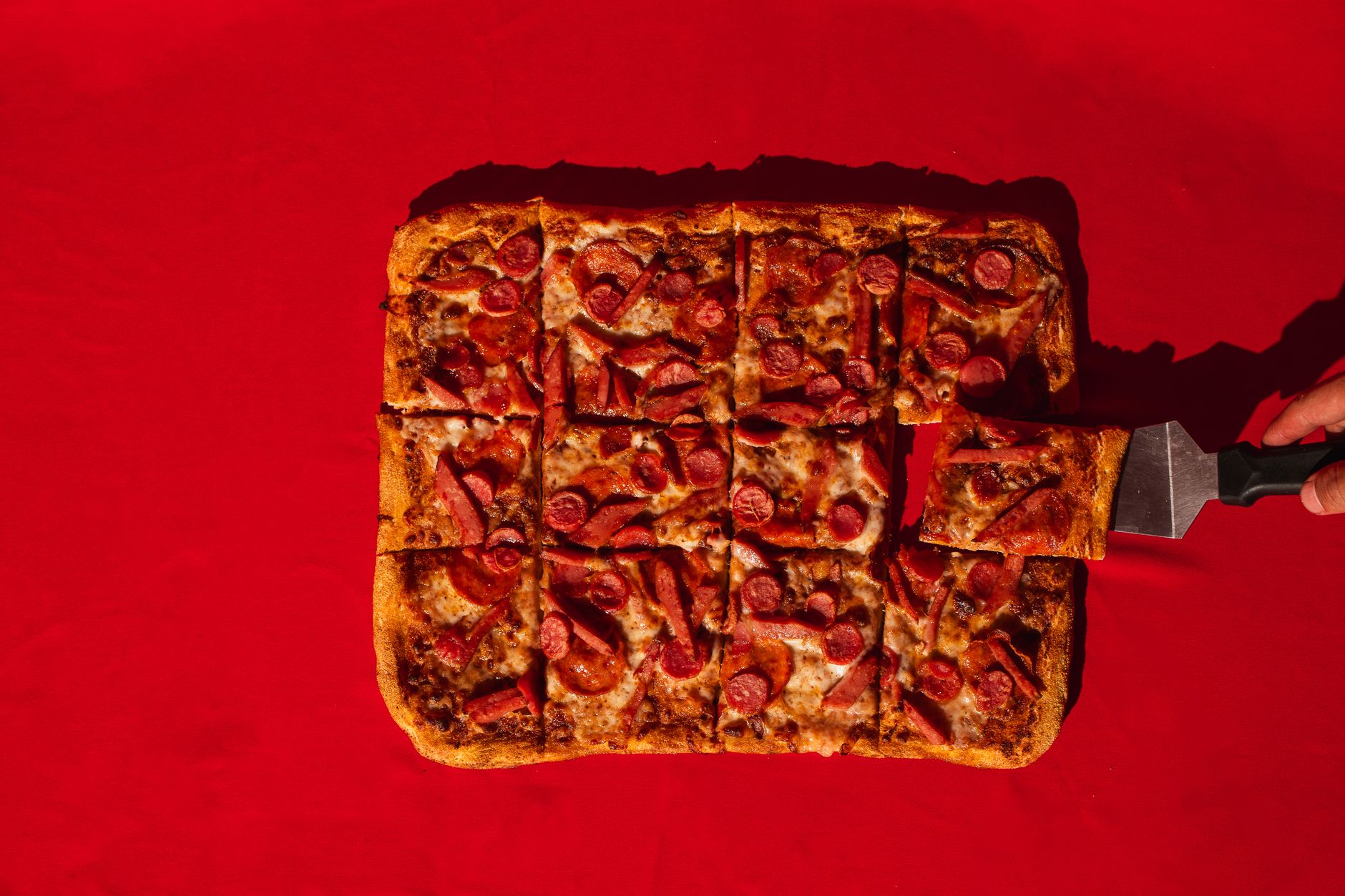
Tavern-style pizza (sometimes just called "bar pie") grew up in taverns and corner bars rather than dedicated pizzerias, which shaped the format: a thin, cracker-crisp crust rolled all the way to the edge, baked until the bottom is firm enough to pick up by hand, and cut into small squares — a "party cut" — instead of wedges, so a table of people drinking beer can share one pie without committing to a full slice. The crust-to-topping ratio skews toward crust, and the cheese is usually a thin, even layer rather than a thick melt.
Pizza Restaurants · Staten Island, New York
Lee's Tavern on Staten Island is a good illustration of the format. It's tagged as both a pizza restaurant and a bar on its listing, and reviewers consistently describe small "bar pies," a thin crisp crust, and a white clam pie as the house specialty — the same clam-pie tradition that shows up in New Haven, adapted to a different city's bar-pizza format. One reviewer called it "the best pizzeria on Staten Island," and multiple reviews mention it's cash-only, so bring cash if you're planning a visit.
Because tavern-style pizza is tied to actual taverns, expect a bar-forward room: seating split between a bar and tables, beer on tap, and a menu that includes classic bar food alongside the pizza. It's a format built for groups and casual hangouts rather than a sit-down Italian dinner. See more of the borough's pizza spots on the Staten Island pizza page or browse all categories in Staten Island.
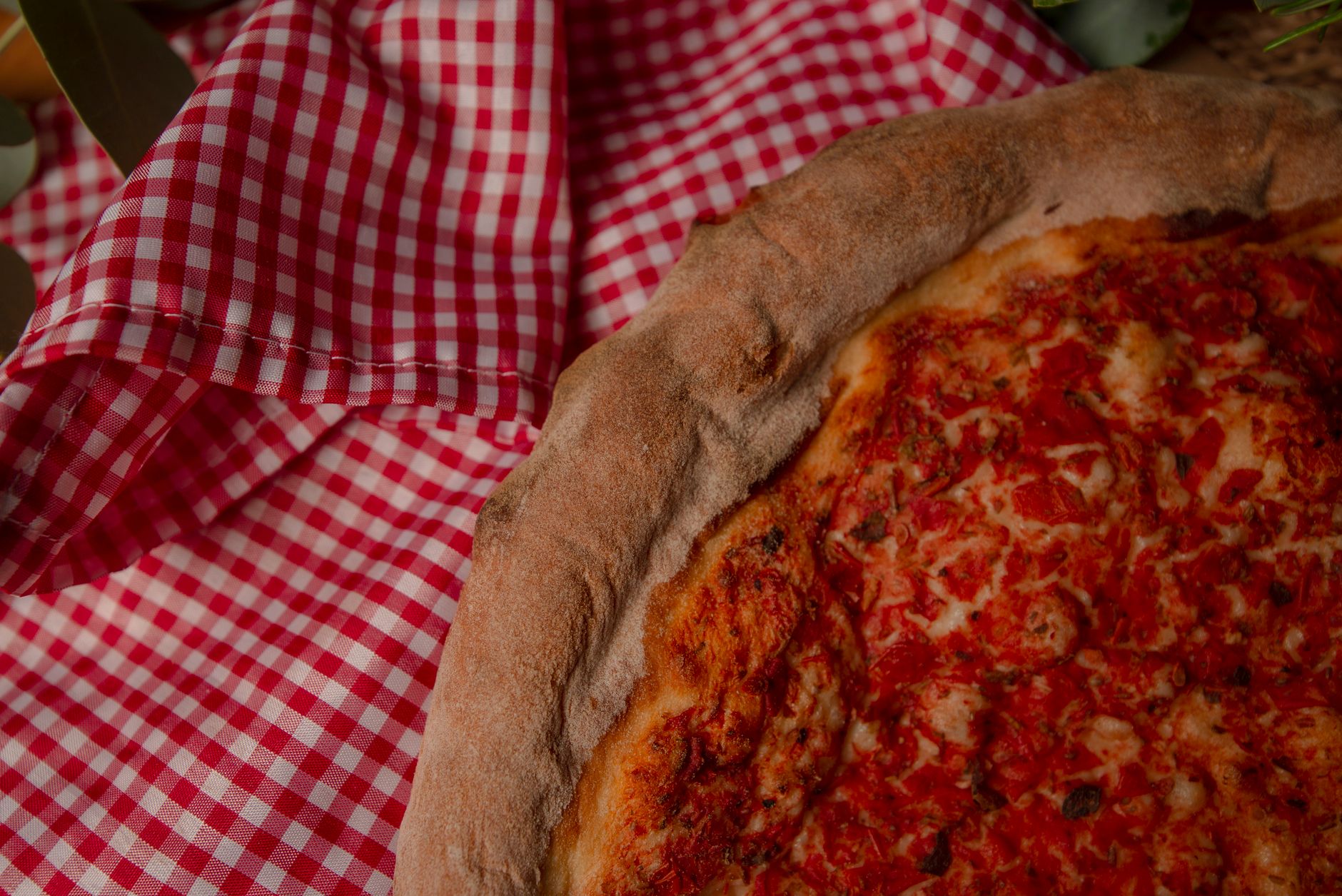
Sicilian pizza is the style most people have actually eaten without necessarily knowing its name — it's the thick rectangular slice sold by weight or by the square at delis and slice shops across the Northeast. The crust is proofed longer and baked in a sheet pan, which gives it a thick, airy, almost focaccia-like crumb rather than the thin base of a New York or Neapolitan pie. Sauce is often applied in a layer on top of the cheese rather than underneath it, which is part of why a Sicilian slice looks and eats differently from a folded New York slice.
Pizza Restaurants · Brooklyn, New York
L&B Spumoni Gardens in Brooklyn is one of the most-reviewed examples on the directory, with reviewers repeatedly calling out "that iconic square slice with the thick, airy crust, plenty of sauce, and cheese underneath" — a textbook description of the style, straight from the listing's own reviews.
Sicilian Pizza · Brooklyn, New York
Amuni, also in Brooklyn, is tagged directly under the Sicilian pizza category on the directory and describes itself as a "Sicilian cafè," with reviews praising its pasta and arancine alongside the pizza — a reminder that Sicilian-style spots are often full Italian menus, not single-purpose pizzerias.
Sicilian Pizza · New York, New York
Sicily Osteria in Manhattan is another Sicilian-tagged listing, described on its own page as "a Sicilian-inspired Italian restaurant in a bright and airy space," with reviews highlighting its pasta and seafood dishes as much as the pizza.
| Style | Crust | Cut | Signature trait |
|---|---|---|---|
| New Haven apizza | Thin, charred, coal/wood-fired | Wedges | White clam pie, light or no mozzarella |
| Tavern-style bar pie | Thin, cracker-crisp to the edge | Small squares ("party cut") | Built for sharing at a bar |
| Sicilian square | Thick, airy, pan-proofed | Rectangles | Sauce often layered on top of cheese |
| Neapolitan | Soft, thin, char-spotted | Uncut or quartered | Wood-fired at very high heat, minimal toppings |
You can see more Sicilian-style listings on the Sicilian pizza category page or browse all pizza in Brooklyn.
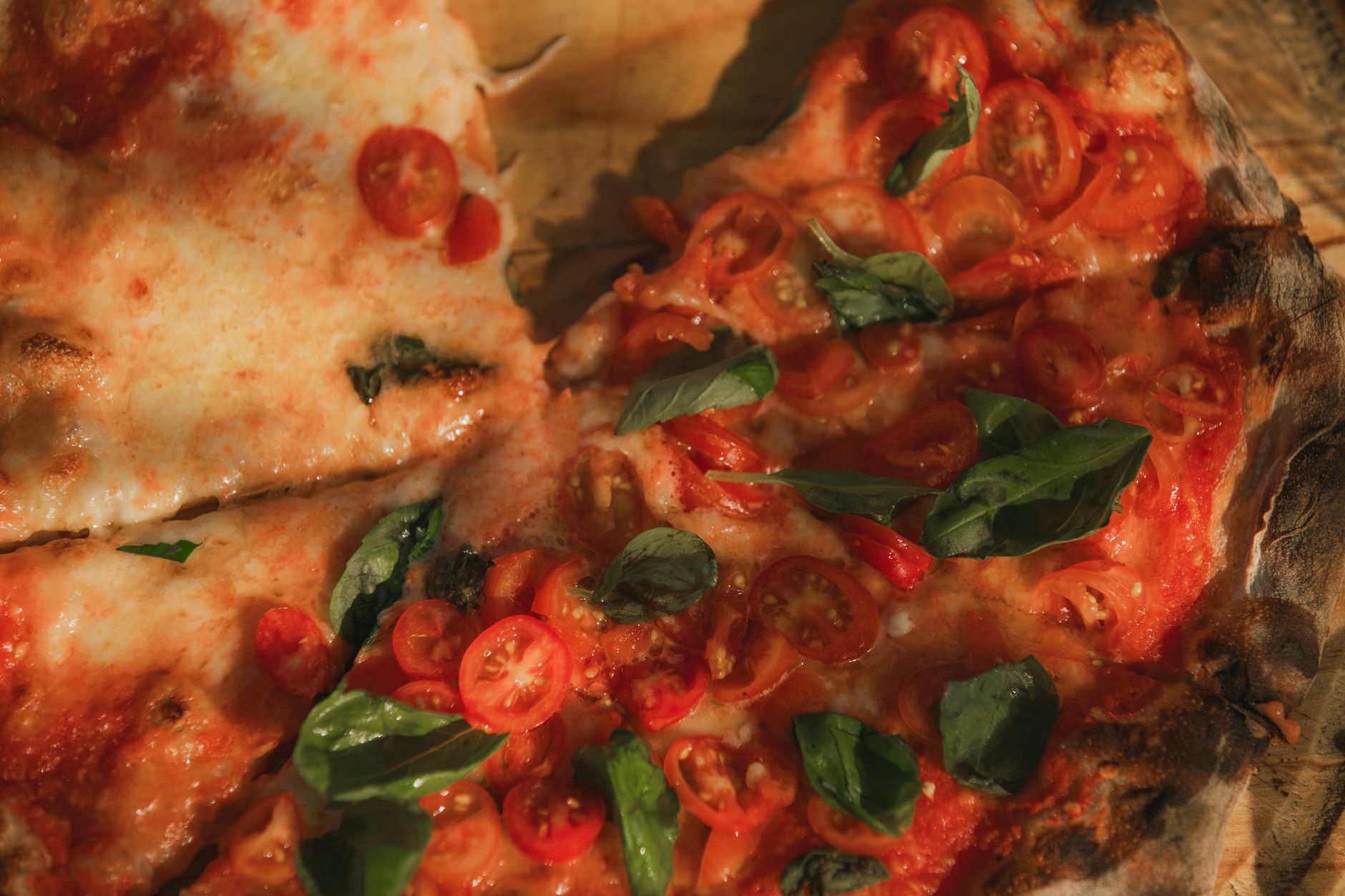
It's worth separating true Neapolitan from the other three, because it's easy to lump "thin crust" styles together. Neapolitan pizza follows rules that originated in Naples and are maintained today by certification bodies: a soft, pliable crust with a puffy, char-spotted edge, baked for roughly 60-90 seconds in a wood-fired oven that runs near 900°F, and topped minimally — usually just San Marzano-style tomatoes, mozzarella, basil, and olive oil. The result eats with a fork and knife as often as by hand, because the center stays soft rather than crisp.
Neapolitan Pizza · Long Island City, New York
Sotto Le Stelle, tagged under the Neapolitan pizza category and located in Long Island City (technically Sunnyside, Queens), is described on its listing as the pizzeria sibling of a nearby Italian restaurant, with reviews calling out its pizza, pasta, and appetizers.
Neapolitan Pizza · Bronx, New York
Zero Otto Nove Bronx, also Neapolitan-tagged, sits on Arthur Avenue — the Bronx's Little Italy — and reviewers mention the atmosphere and a full Italian menu (chicken parm, calamari, cannoli) alongside the pizza, which is typical of how Neapolitan spots in the US often operate as full-service Italian restaurants rather than stand-alone pizzerias.
Check more of the borough's listings on the Bronx pizza page or in the Bronx generally, and see Queens options via Long Island City.
None of these styles are better or worse than each other — they're built for different situations. If you're trying to settle a disagreement about what to order, a few practical rules help:
Hours, delivery radius, and whether a place takes reservations vary by location and change over time, so check the current listing or call ahead before you go — that's also where you'll find accurate current pricing, since menu prices move and this guide doesn't quote any.
It also helps to know what you're walking into before you order. Apizza houses and tavern-style bars tend to be small, informal, and often cash-only or close to it, so don't expect a long wait list system or online ordering at every location — calling ahead is often the only way to check a wait. Sicilian and Neapolitan spots in this guide, by contrast, mostly run as full-service Italian restaurants, which means they're more likely to take reservations and better suited to a sit-down group dinner than a quick slice. Matching the format to the occasion — bar pie for a casual group, a sit-down Italian spot for a dinner reservation, an apizza house for a destination trip — will get you a better experience than just picking whichever place has the highest rating.
The "big four" pizza styles (New York, Neapolitan, Chicago, Detroit) are a reasonable starting point, but New Haven apizza, tavern-style bar pie, and Sicilian square pizza are just as regionally specific and, in some cases, older. If you're traveling through New Haven, Staten Island, or the Italian-American neighborhoods of Brooklyn, the Bronx, or Queens, ordering the local style — not just "a pizza" — is the difference between a forgettable slice and the thing people actually travel for. Use the category and city pages linked throughout this guide to find more listings near you, and when in doubt, ask the counter staff what the house specialty is — at most of these places, they'll have a strong opinion.
03 Oct 2026 · 8 min read
Verified 2026 menu prices from six Philadelphia pizzerias show a large pie running $9 to $35 — here's what explains the spread.
Philadelphia Pennsylvania cost breakdown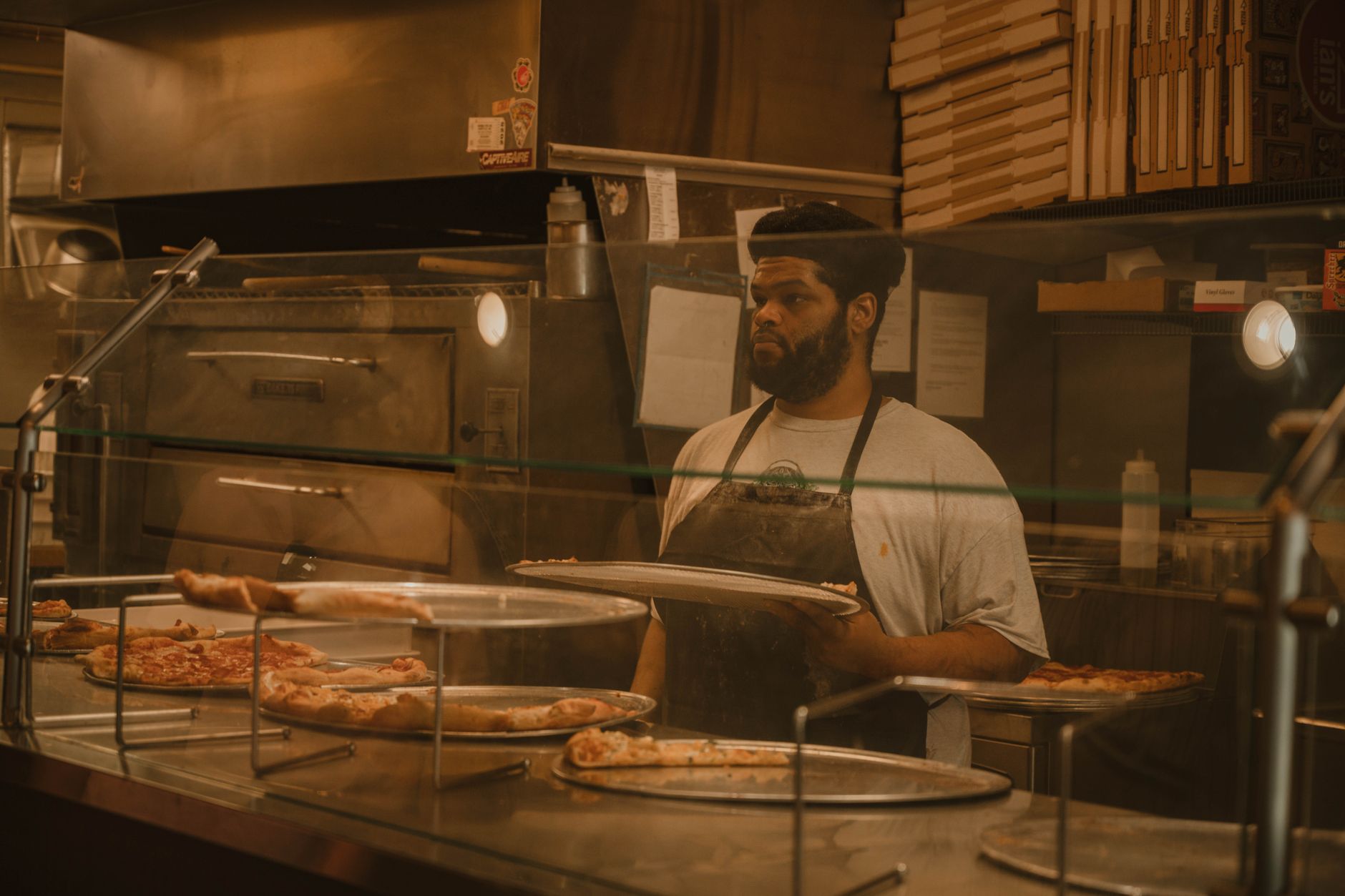
02 Oct 2026 · 8 min read
Delivery vs pickup, parking, Muni routes, and current hours — here's where to eat pizza in North Beach, the Mission, the Richmond, the Sunset and Polk Gulch.
San Francisco California neighborhood guide
01 Oct 2026 · 8 min read
Delivery fees, wait times and hot-box reality: here is how to decide between delivery and pickup for your next pizza order.
delivery vs pickup how-to pizza