


12 Oct 2026 · 8 min read
What a Large Pizza Really Costs in Detroit in 2026
Verified October 2026 menu prices from Detroit pizzerias show a large Detroit-style pizza running $19 to $26 depending on toppings.
Detroit Michigan cost breakdown13 October 2026 · 8 min read
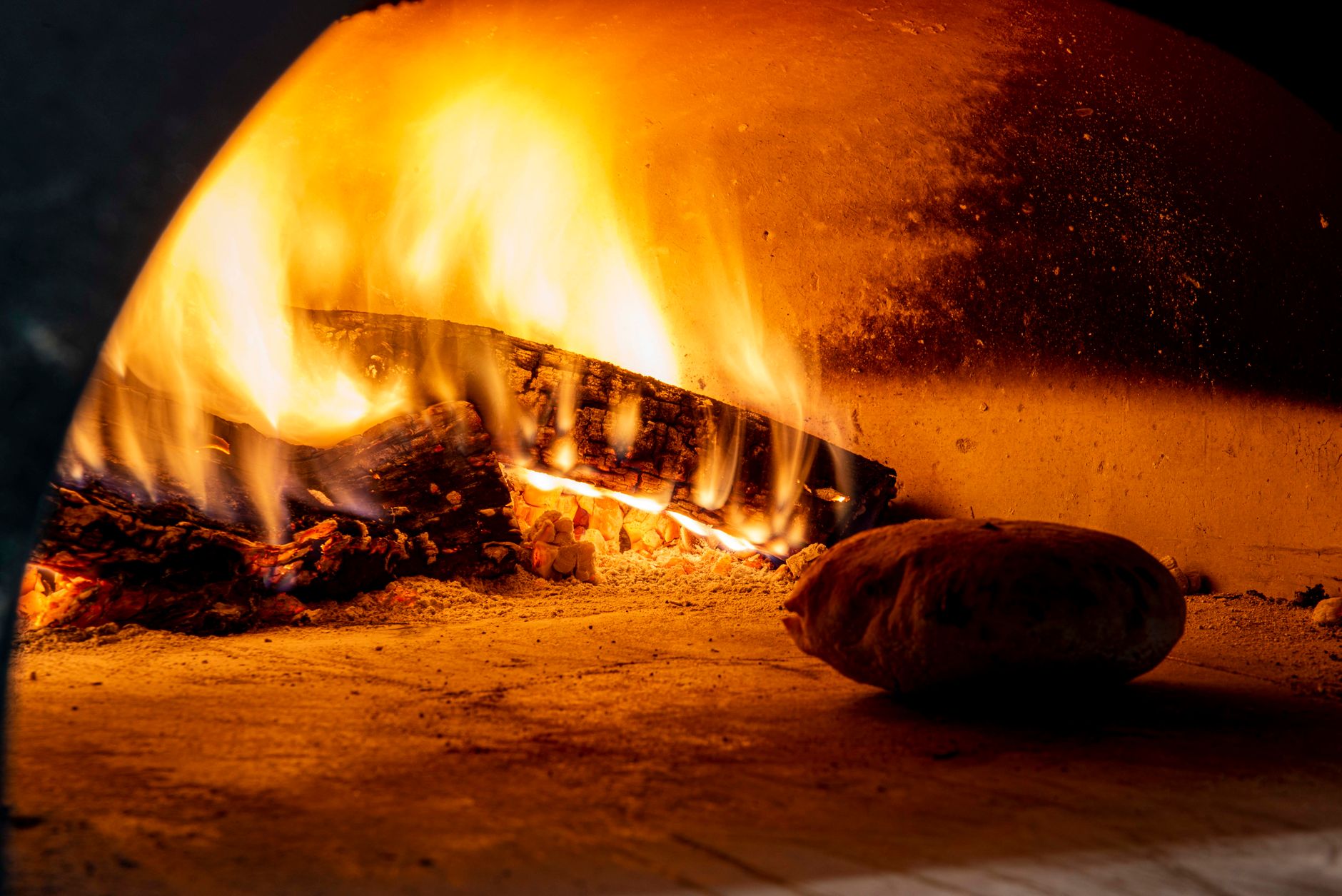
Ask ten pizza eaters what makes a great pie and you'll hear about dough, sauce, and cheese. Ask a pizzaiolo and the first answer is usually the oven. The same dough ball turns into a blistered, leopard-spotted Neapolitan pie in 90 seconds inside an 850°F wood-fired dome, or into a crisp, cracker-thin square that bakes for 20 minutes in a low, steady deck oven. Same flour, same yeast, wildly different pizza. Understanding the oven behind a slice explains more about why two pizzerias in the same city can taste completely different than any amount of menu-reading can.
This isn't a ranking of pizzerias. It's a guide to the handful of oven types doing the real work behind the counter, with real, well-rated places from the We Go Pizza directory that show each one in action.
A true wood-fired oven is a domed chamber, usually brick or refractory clay, with the fire built directly on the oven floor off to one side. Heat radiates down from the dome, rises off the floor, and circulates around the pizza all at once, which is why a Neapolitan-style pie can go from raw dough to finished pizza in about 60 to 90 seconds at floor temperatures that commonly run 800–900°F. That speed is what produces the soft, slightly charred crust ("leoparding") and the still-loose center that define the style — there simply isn't time for the middle to dry out before the edges are done. It's also the basis for the strict Associazione Verace Pizza Napoletana (AVPN) certification some pizzerias pursue, which specifies a wood-burning dome oven, a dough made only with flour, water, yeast and salt, and a bake finished in roughly 60 to 90 seconds — rules written specifically around what a wood oven, and only a wood oven, can do.
Pizza Restaurants · Los Angeles, California
Olio Wood Fired Pizzeria GCM in downtown Los Angeles builds its menu around this method, with wood-fired pies alongside fire-roasted vegetables and salads. It's one of several wood-fired kitchens in the city's pizza restaurant listings — worth a look if you want to compare a few side by side on your own Los Angeles pizza page.
Coal-fired ovens work on a similar principle to wood-fired ones — radiant heat from a dome, direct floor contact — but burn hotter and drier, often in the 900°F-plus range, and for longer stretches without reloading. Historically, coal ovens are tied to some of New York City's oldest pizzerias, which installed them before gas lines were common and have kept them running ever since (many operate under grandfathered permits, since new coal-burning restaurant ovens are tightly restricted in NYC today). The result is a drier, more deeply charred bottom crust than a wood oven typically produces. Coal is also the hardest fuel type to find today: most U.S. cities restrict new solid-fuel restaurant ovens on air-quality grounds, so the count of coal-fired pizzerias has shrunk to a short, mostly old-guard list rather than growing with demand.
Pizza Restaurants · Staten Island, New York
Campania Coal-Fired Pizza, on Hylan Boulevard in Staten Island, is one of the borough's coal-oven destinations, with well over a thousand reviews on its listing. If you're planning a Staten Island pizza stop, the Staten Island pizza category page rounds up the rest of the borough's options, and the Staten Island city guide covers the wider food scene.
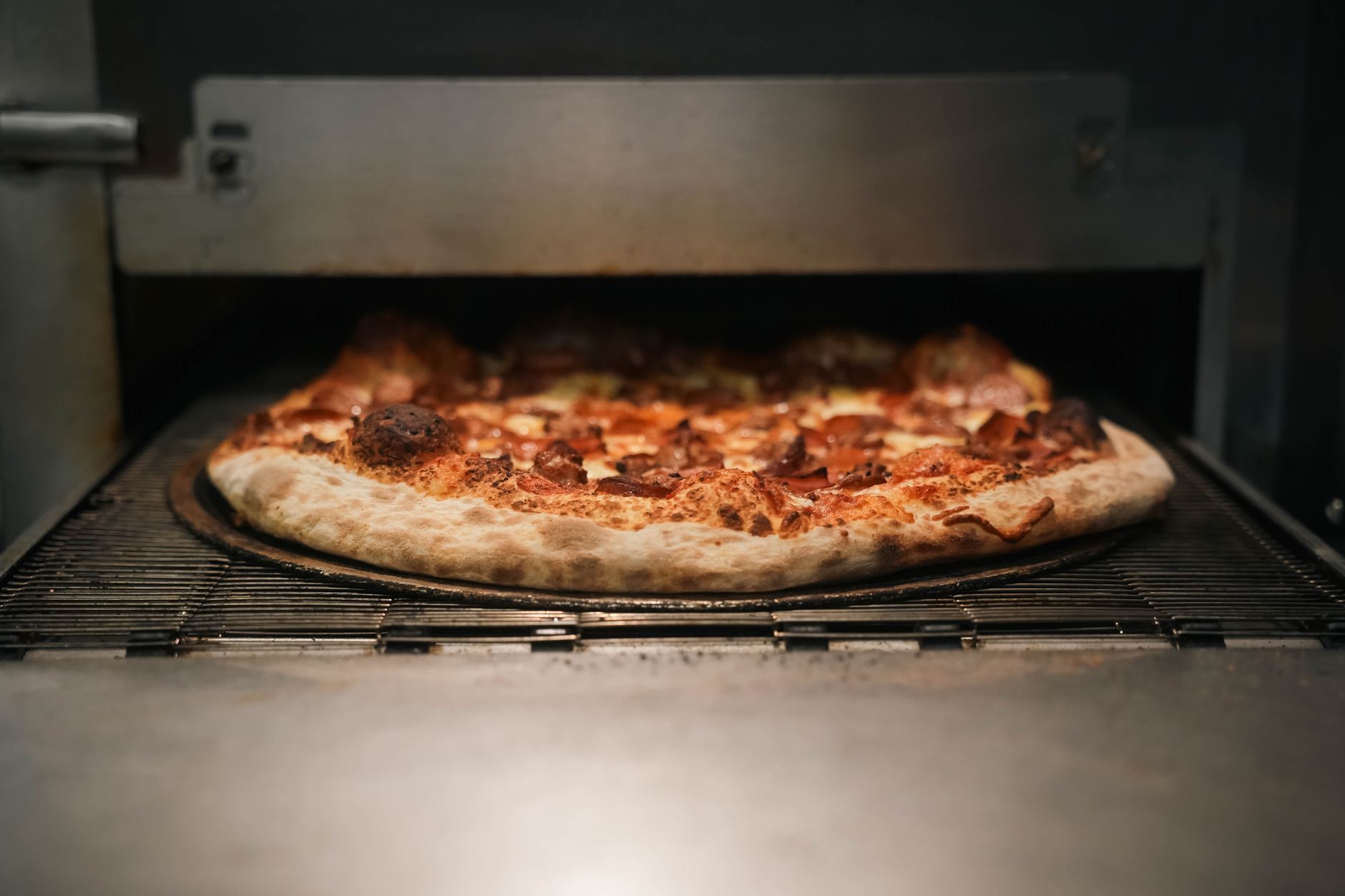
Most pizzerias in the U.S., including the great majority of classic New York slice shops, don't use wood or coal at all — they use a gas-fired deck oven. A deck oven has one or more stone or ceramic decks heated from below by gas burners, typically running 500–650°F, far cooler than a wood or coal oven but held steady for hours at a time. Pies bake for roughly 6 to 10 minutes, long enough for a fully melted, bubbled cheese layer and an evenly browned, foldable crust — the texture most people picture when they think "New York slice." The real advantage of a gas deck oven isn't flavor, it's consistency and recovery time: a shop can run one all night at the same temperature, reload decks within seconds of pulling a pie, and get the same result at 9 p.m. that it got at noon, which is why it's the default for high-volume delivery and takeout operations rather than a niche choice.
Pizza Restaurants · New York, New York
Pop's Pizza, a counter-service slice shop on 8th Avenue in Midtown Manhattan, is a good example of the format: thin, hand-tossed pies sold by the slice from a deck oven, built for speed at lunch rush. It's one of hundreds of listings on the New York City pizza category page, which is worth bookmarking alongside the broader New York City guide.
Within deck ovens, the deck material itself matters. Stone or brick decks (often called "brick ovens" even when gas-fired rather than wood-fired) hold and release heat slowly and evenly, which is forgiving for a shop baking hundreds of pies back to back. Steel decks heat up and cool down faster and transfer heat more aggressively, which is why some newer-wave pizzerias — chasing a very fast, very hot bake closer to Neapolitan territory — have switched to steel. Either way, "brick oven" on a sign usually signals a dedicated pizza oven rather than a standard kitchen oven, even when the fuel source is gas.
Pizza Restaurants · Philadelphia, Pennsylvania
Savas Brick Oven Pizza, on Lancaster Avenue in West Philadelphia, keeps late hours that stretch past midnight most nights — useful to know if you're searching for a post-event slice. It's listed alongside the rest of the city's options on the Philadelphia pizza category page and the Philadelphia city guide.
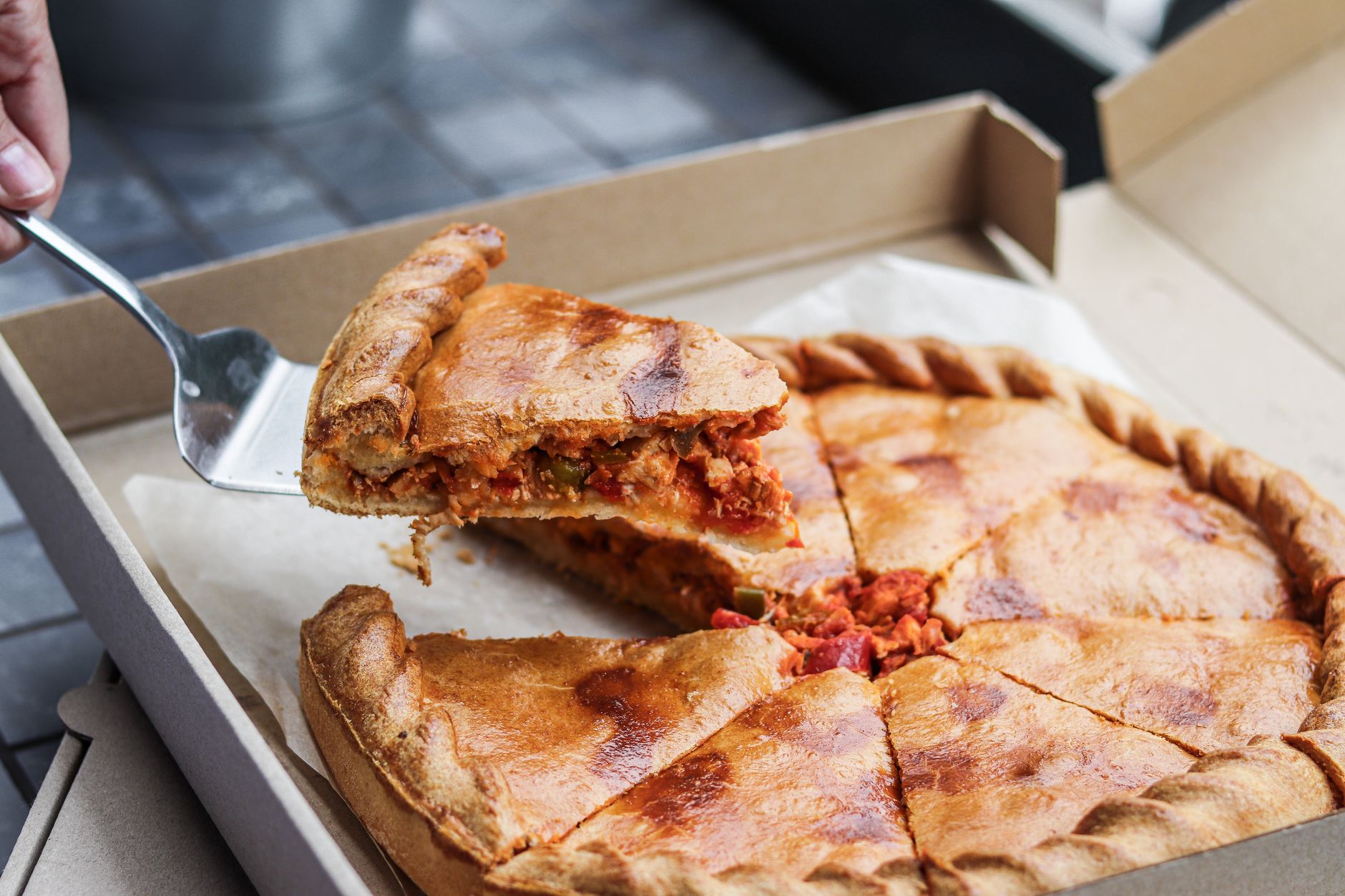
Chicago deep-dish flips the usual logic: instead of a fast, hot bake, it needs a longer, gentler one. The pie is built in a deep, oiled steel pan — cheese first, then toppings, then a chunky tomato sauce on top — and typically bakes 30 to 45 minutes at a more moderate 425–475°F. That extended time is what cooks the thick layer of toppings through and sets the structure of the pan without burning the top before the center is done. It's a style built around the pan and the clock as much as the oven itself.
Pizza Restaurants · Chicago, Illinois
George's Deep Dish, in Chicago's Edgewater neighborhood, lists its sourdough deep-dish alongside a "cracker thin" option on the same menu — a direct side-by-side of the two ends of the bake-time spectrum from one kitchen. Chicago's deep-dish and tavern-style pizzerias are listed on the Chicago pizza category page, with the full dining scene on the Chicago city guide.
The same dome principle that powers a restaurant's built-in wood oven has gone mobile over the last decade. Trailer-mounted and towable wood-fired ovens, often imported from Italy, let a crew set up outside a backyard, brewery, or wedding venue and bake the same 90-second pies a brick-and-mortar Neapolitan kitchen would, just without the building around it. The trade-off is throughput: a single small dome can usually only turn out one pizza at a time, so mobile operators lean on a steady line rather than a full dining room.
Pizza Food Trucks · Grand Rapids, Michigan
Dome Slice Wood Fired Pizza Co., based in Grand Rapids, is built entirely around this model, offering mobile wood-fired catering for private events rather than a fixed storefront. It shows up in the directory's pizza food truck listings for Michigan, alongside the rest of the city's options on the Grand Rapids guide — useful if you're booking catering rather than just looking for a table.
| Oven Type | Typical Temp | Typical Bake Time | Associated Style |
|---|---|---|---|
| Wood-fired dome | 800–900°F | 60–90 seconds | Neapolitan |
| Coal-fired dome | 900°F+ | 1–3 minutes | Classic NY coal-oven pie |
| Gas deck (stone/brick) | 500–650°F | 6–10 minutes | NY slice, general pizzeria |
| Gas deck (steel) | 600–700°F+ | 2–5 minutes | Fast, hot Neapolitan-style |
| Deep-pan deck oven | 425–475°F | 30–45 minutes | Chicago deep-dish |
Bake times and temperatures vary by kitchen and equipment age — treat these as typical ranges, not fixed rules.
A few visual cues translate back to the oven without needing to ask anyone. Dark, irregular char spots on a puffy, soft crust point to wood or coal. A flatter, evenly browned, firmer crust that folds without much give usually came off a gas deck. A crust that's noticeably drier and darker on the bottom than a wood-fired pie, with a similarly fast cook, suggests coal rather than wood. And a thick, structured crust that holds its shape when you lift a slice vertically is deep-dish's pan-and-slow-bake signature, not really an "oven type" at all in the usual sense.
None of this makes one style objectively better — it's a different tool for a different outcome, and most cities have good examples of more than one. Reading the menu or the sign helps too: a pizzeria that names its oven type in its own branding, the way several of the places above do, is usually making a deliberate case for the bake it's selling, not just picking a word at random.
The oven is doing as much work as the dough recipe, so if a slice tastes different from what you expected, the equipment behind the counter is often why. Next time you're picking a pizzeria, a quick glance at how a place describes its oven — wood-fired, coal, brick, deep-dish pan — is a reasonable preview of what's about to land on your plate. If you're comparing options in a city you don't know well, the directory's category pages let you filter by exactly these distinctions — pizza restaurants, pizza food trucks, and the regional-style categories — before you commit to a drive across town.
12 Oct 2026 · 8 min read
Verified October 2026 menu prices from Detroit pizzerias show a large Detroit-style pizza running $19 to $26 depending on toppings.
Detroit Michigan cost breakdown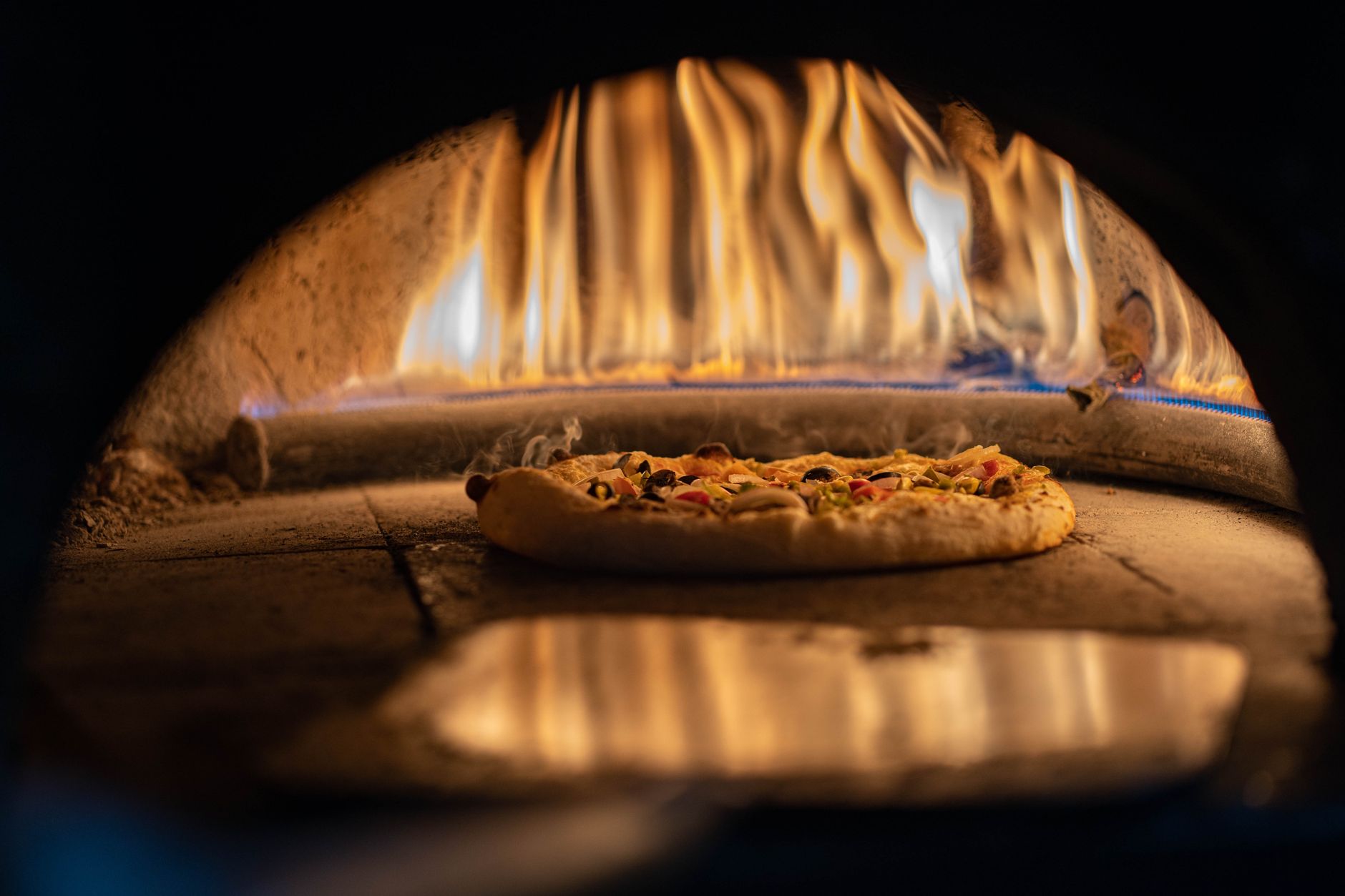
11 Oct 2026 · 8 min read
A neighborhood tour of Charlotte pizza: NY-style and Neapolitan in Dilworth, brewery and sourdough pies in NoDa, and a Detroit-style square in Plaza Midwood.
Charlotte North Carolina neighborhood guide
10 Oct 2026 · 8 min read
Sit-down, takeout, delivery-only, food trucks and gluten-free specialists: what each pizza business format actually means for how you order.
pizza styles explainer pizza delivery