Pittsburgh has one of the more distinctive pizza economies in the country. Alongside the whole round pies you'd find anywhere, a cluster of neighborhood shops still sell pizza "by the cut" — rectangular, Sicilian-style squares priced per piece rather than per pie, a holdover from the city's old Italian bakeries and corner groceries. That means two Pittsburghers asking "what does pizza cost here?" can get very different answers depending on whether they're ordering a whole pie from a sit-down spot or grabbing a couple of squares on the way home. Below is what several Pittsburgh pizzerias actually publish on their own menus as of October 2026, organized by pricing model, plus the context to make sense of it. As always: check current prices before you order, since menus change.
Two pricing models, one city
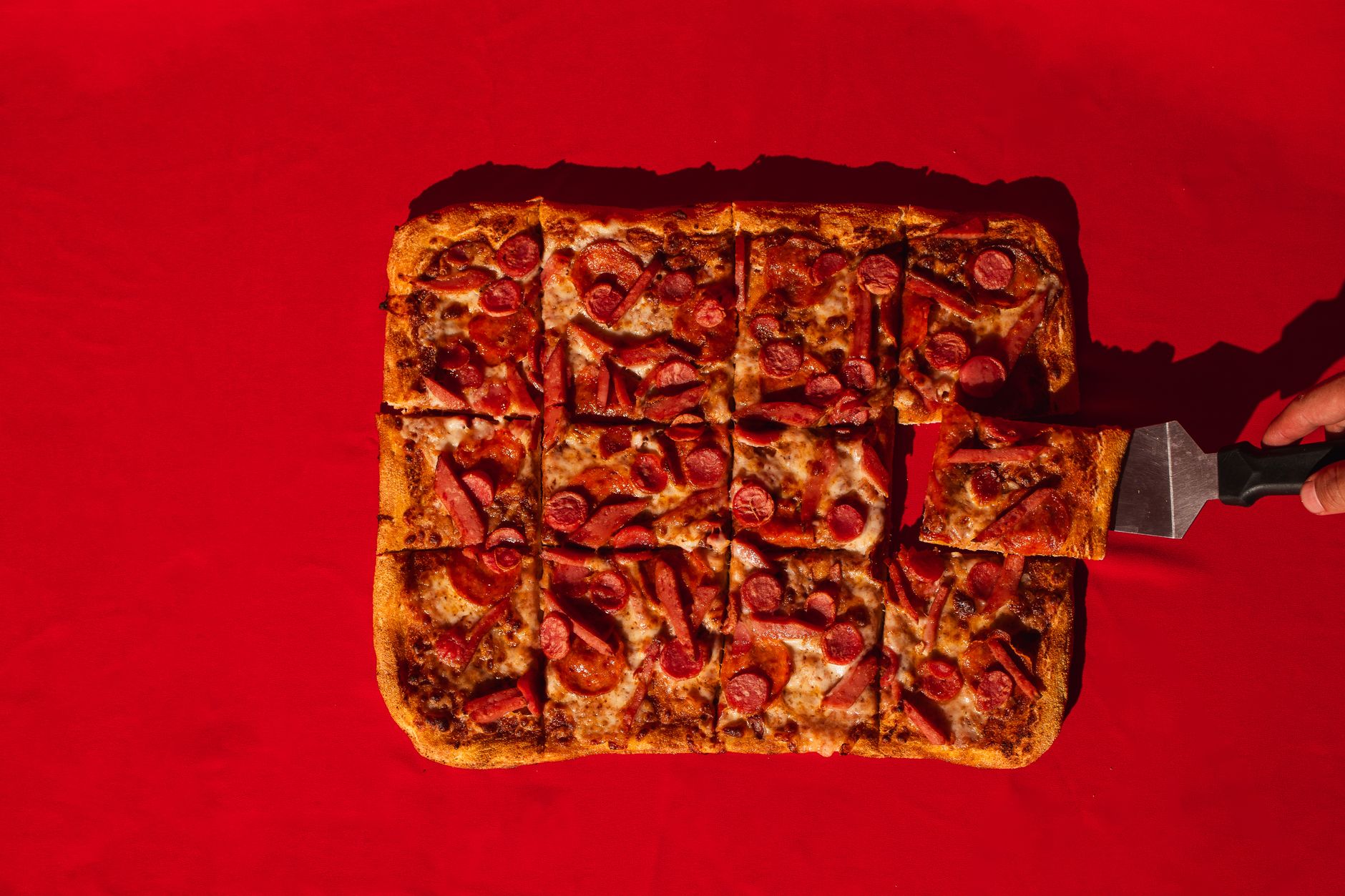
Walk into Genoa Pizza & Bar in Pittsburgh and you're ordering the way most of the country does: a whole pie, priced by size, with toppings added on top of a base price. Walk into Beto's Pizza a few miles away and the menu doesn't even offer a "whole pie" option — pizza is sold by the individual cut, the way you'd buy a sandwich.
Neither model is more "authentic" than the other — both go back decades in the city — but they make direct price comparisons tricky unless you convert everything to a per-slice basis. We've done that math below using only the numbers each business publishes.
It's also worth noting what these menus don't tell you: neither pricing model is tied to a particular pizza style. You'll find Sicilian squares sold both as whole pies and by the cut, and you'll find traditional round pies sold only as whole pies. The split is about how a shop chooses to sell its pizza, not what kind of pizza it makes.
What whole pies cost in Pittsburgh
Genoa Pizza & Bar publishes a detailed size chart on its own site. Their "Traditional & White" cheese pizza runs from a 10" small to an 18" XLarge, with toppings priced as add-ons, and a separate "Gourmet Pies" line that bundles toppings into the price:
A plain large cheese pie across these three shops runs from $16 to about $25.50 before tax, and a loaded specialty pie — the kind with four or five toppings — can climb well past $30 once you add Mineo's named specialty pizzas like the John's Special or the Brother's Breakfast Special, which run $29.12 to $39.00 for a full pie depending on size.
What pizza by the cut costs
The by-the-cut model is where Pittsburgh pricing gets genuinely regional. At Beto's Pizza, a single cut is $2.10 plus tax, with standard toppings like pepperoni, sausage, mushrooms and extra cheese adding $0.70 per cut. At Mineo's Pizza House, the by-the-slice menu lists a traditional or white slice at $2.60, a Sicilian slice at $3.90, and toppings at $0.52 each (premium toppings $1.04 each).
Pizzeria
Per-Cut Price
Topping Add-On
Beto's Pizza
$2.10/cut
+$0.70/cut
Mineo's Pizza House (Traditional/White)
$2.60/slice
+$0.52/topping
Mineo's Pizza House (Sicilian)
$3.90/slice
+$0.52/topping
If you do the conversion, a dozen plain cuts at Beto's runs about $25.20 before tax — in the same range as a large whole pie at the sit-down shops above, which makes sense: you're buying roughly the same amount of pizza, just packaged differently. The real savings of the by-the-cut model isn't price per slice so much as flexibility — you can buy two cuts for lunch instead of committing to a whole pie.
Why Pittsburgh prices this way
The by-the-cut tradition traces back to the city's Italian immigrant groceries and bakeries, many clustered in neighborhoods like Bloomfield and the Strip District, where square, focaccia-like pizza was baked in sheet pans and sold as a quick, inexpensive bite rather than a sit-down meal. That history is still visible on the ground: shops selling cut pizza tend to be smaller storefronts with a counter and a few stools, built around fast turnover, while the whole-pie shops lean toward dine-in service, delivery and larger format orders for groups.
Both Spak Brothers and Vincent's Pizza Park are long-running, well-reviewed Pittsburgh pizzerias; check their own sites or call ahead for current pricing, since neither currently publishes a detailed price list online.
Ordering for a group in Pittsburgh
If you're feeding a crowd, the math above is a useful starting point, but a few practical notes matter more than the sticker price:
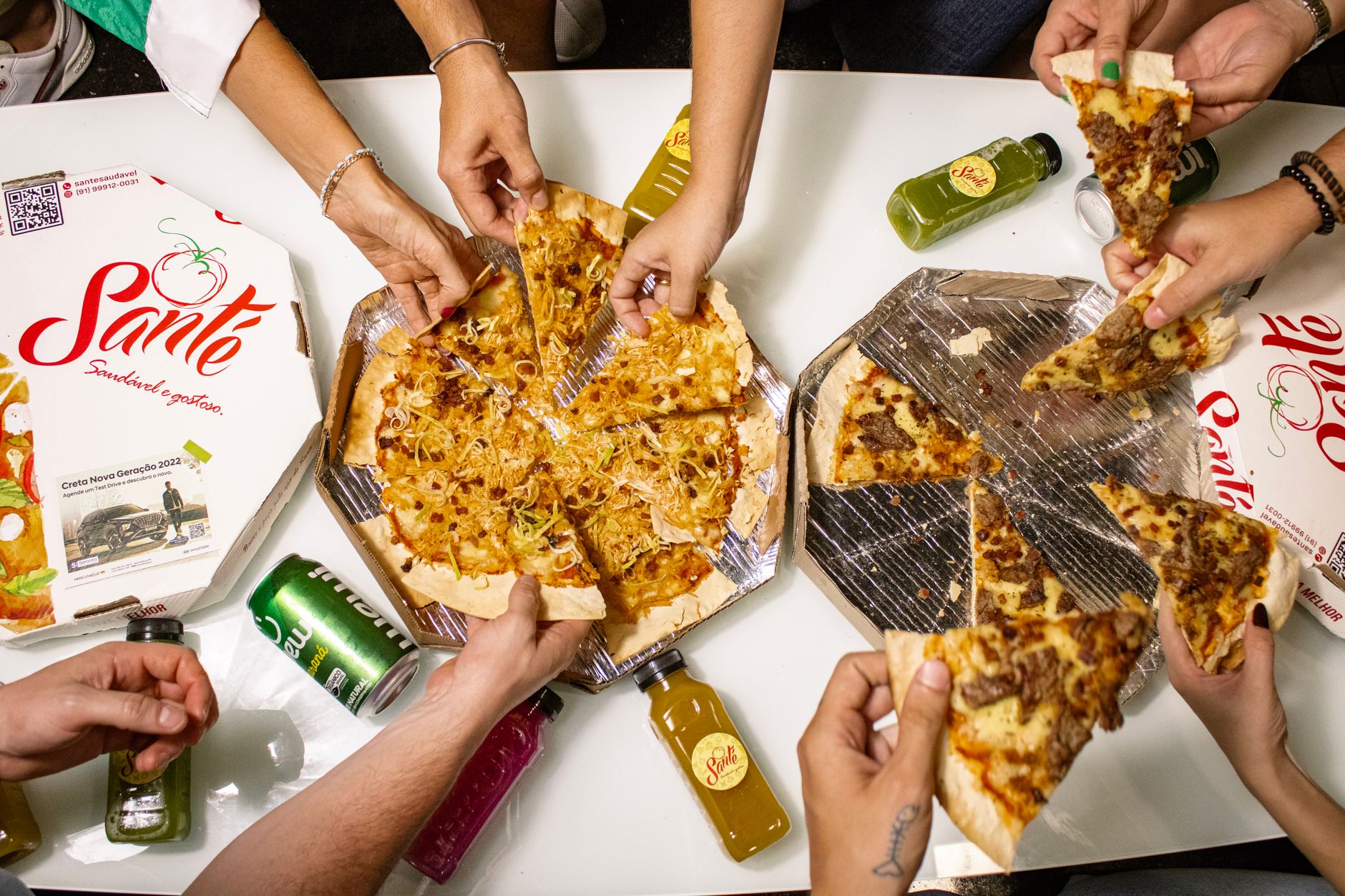
Whole pies scale better for groups. A 16" pie at most Pittsburgh shops yields 12 cuts, enough for 4-6 people depending on appetite and whether there are other sides.
By-the-cut shops are built for walk-in speed, not large call-ahead orders. If you need 30 cuts for an office lunch, call ahead; a counter built for single-cut sales may need lead time to prep a bulk order.
Specialty and "loaded" pizzas cost meaningfully more than plain cheese. At Mineo's, the jump from a plain large ($25.48) to a loaded specialty large ($39.00) is over 50%, which matters when you're budgeting for a group order.
Tax and tip are on top of every price above. None of the figures in this piece include Pennsylvania sales tax or gratuity.
Delivery and pickup aren't priced the same everywhere. Some of the by-the-cut counters are pickup- and dine-in-only storefronts with no delivery radius listed on their own site, while whole-pie shops like Genoa Pizza & Bar more commonly run their own delivery or partner with a third-party app. If delivery matters for your order, check the specific shop's website before assuming it's available.
Parking varies by neighborhood. Strip District and Squirrel Hill storefronts tend to rely on street parking that fills up fast around lunch and dinner, while shops along wider commercial corridors elsewhere in the city tend to have dedicated lots. If you're picking up a large group order, building in a few extra minutes to park is worth it.
For a sit-down option with a broader Italian menu alongside pizza, DiAnoia's Eatery in the Strip District is worth checking, and Pizza Lupo is one of the city's higher-rated wood-fired spots if you want a different style than the cut-pizza tradition described above.
We Go Pizza has tracked verified menu prices in a handful of other cities this year, and the comparison is useful context. A large plain pie in Detroit ran $19-$26, and in Columbus a large pie ran $20-$32. Pittsburgh's whole-pie range of roughly $16-$28 for a plain large sits at the lower end of that band, and the by-the-cut option gives Pittsburgh shoppers a lower-commitment way to get a smaller amount of pizza than a full pie, which isn't really an option in cities built entirely around whole-pie sales.
Pittsburgh is one of the few American cities where "how much is pizza" has two legitimate answers: a whole-pie price in the high teens to high twenties for a plain large, or a per-cut price around $2-$4 a slice that lets you buy exactly as much as you want. Neither model is a workaround for the other — they're two parallel traditions that happen to coexist in the same city, each with its own shops, its own loyal customers and its own menu format. If you're new to Pittsburgh pizza, the practical move is simple: decide whether you want a whole pie to share or a couple of cuts to eat standing up, and pick a shop that's built around that format rather than trying to force one into the other.