


17 Oct 2026 · 7 min read
How to Order Pizza for a Halloween Party in Richmond (2026)
Halloween weekend swamps Richmond pizzerias. Here is how to time orders, pick delivery vs. pickup, and which shops handle parties best.
Richmond Virginia how-to24 September 2026 · 8 min read
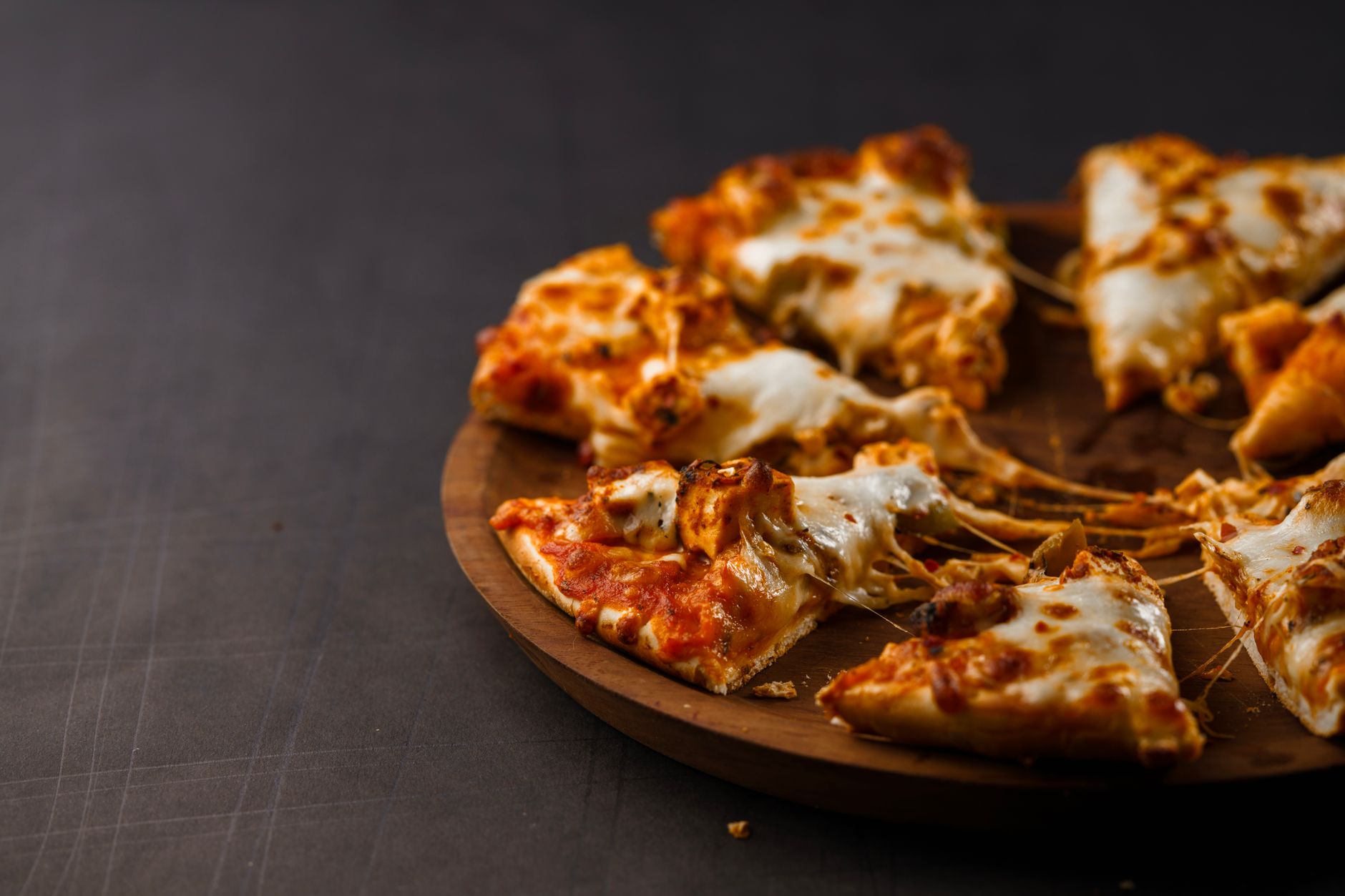
Ask five people to define "pizza" and you'll get five different answers depending on where they grew up. A New Yorker pictures a wide, foldable slice eaten standing up. A Chicagoan pictures a knife-and-fork pie two inches deep. Someone from Detroit pictures a crisp, caramelized square. None of them are wrong — pizza just evolved differently depending on the ovens, the immigrant communities and the local habits that shaped it in each place.
This guide breaks down the crust, sauce, cheese and cut of the major American pizza styles, plus the older Neapolitan and Sicilian styles they descend from, so you know what you're ordering before the pie shows up. Every restaurant named below is a real, currently listed business on We Go Pizza — click through for hours, address and current menu before you go.
Pizza came to the United States with Italian immigrants in the late 19th and early 20th centuries, concentrated in a handful of port cities: New York, Chicago, Boston, Trenton and, later, Detroit through its auto-industry workforce. Each community adapted the dish to whatever ovens, pans and ingredients were locally available, and because there was no national chain standardizing the format, those local adaptations hardened into distinct regional identities over decades rather than blending into one generic "American pizza." That's why a pie in Chicago and a pie in New York can share almost nothing beyond dough, sauce and cheese — they came from the same root but grew in different directions, the same way regional barbecue or regional barbecue sauce did.
Understanding that history is useful for more than trivia: it tells you what to expect on the plate. A style built for standing-room delis (New York) behaves differently on a table than a style built for a Sunday family dinner (Chicago), and neither is "authentic" or "fake" — they're both authentic responses to different circumstances.
New York-style pizza is defined by its crust: thin enough to fold in half lengthwise, but sturdy enough that the tip doesn't flop when you pick up a slice. The dough is hand-tossed, baked hot and fast in a deck oven, and topped simply — a light layer of tomato sauce, a blanket of low-moisture mozzarella, and whatever toppings you want on top. It's built for eating on the move, which is exactly how it's sold in most New York City neighborhoods: by the slice, folded, no fork required.
Because the style spread nationally decades ago, you don't need to be in New York to find a good version of it. Shops that specialize in the style tend to lean into the name, and a few of the better-reviewed ones are worth seeking out, including in the Sunnyvale, California pizza scene:
Pizza Restaurants · Sunnyvale, California
New York slices also travel well as leftovers, since the thinner crust reheats evenly in a pan or oven without turning soggy the way a deep-dish slice can — worth knowing if you're ordering a whole pie for delivery rather than eating by the slice.
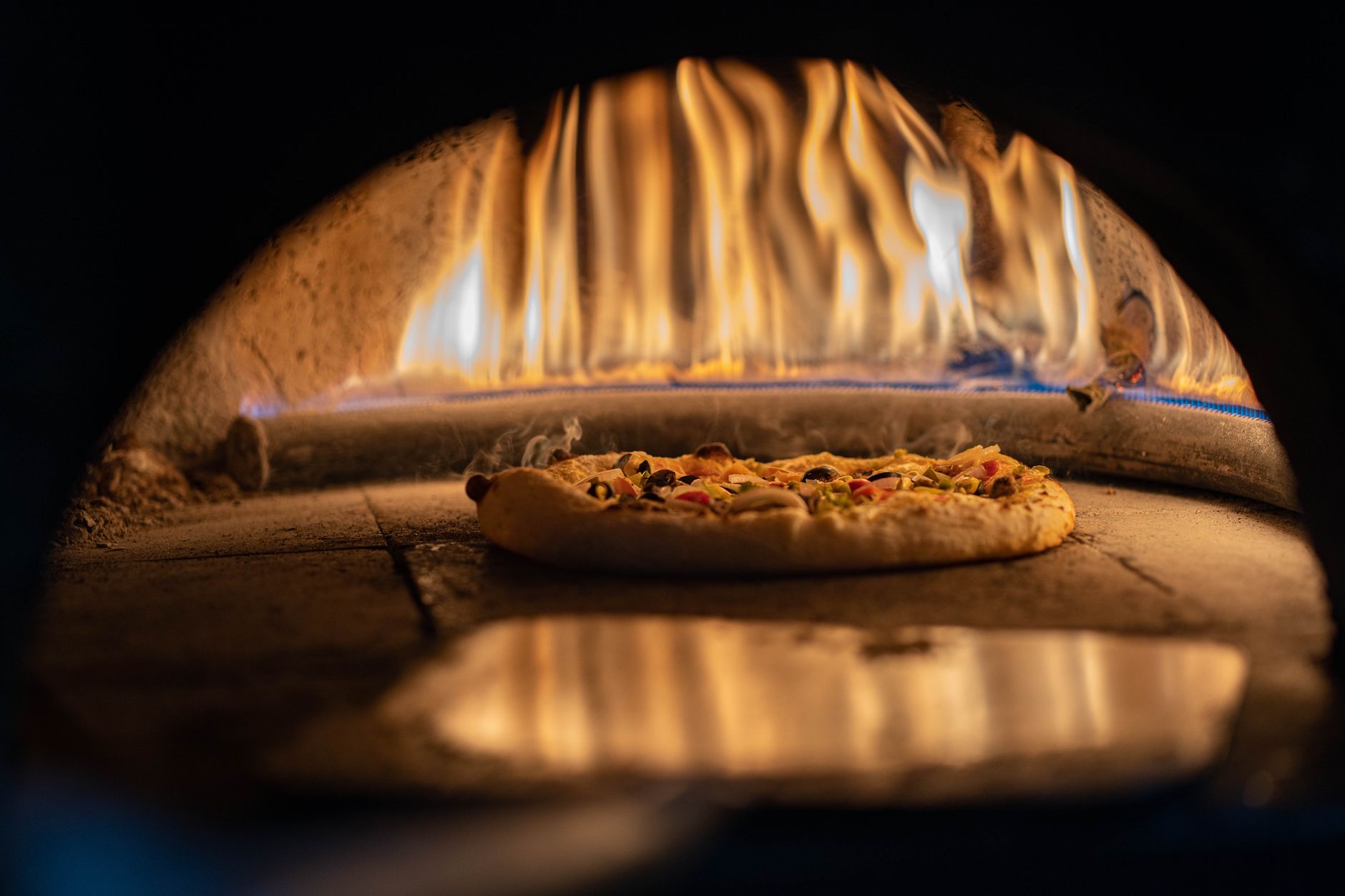
Neapolitan pizza is where all of this started. Naples-style pies use a soft, high-hydration dough that's stretched — never rolled — and baked for roughly 60-90 seconds in a wood-fired oven that runs 800-900°F. That short, intense bake gives the crust its signature leopard-spotted char while keeping the center soft enough to eat with a fork, which is the traditional way. Toppings stay minimal by design: San Marzano tomatoes, fresh mozzarella (often buffalo mozzarella), basil, and a drizzle of olive oil. There's no piling on extras — the point is the crust and the quality of a handful of ingredients.
Because true Neapolitan technique requires specialized ovens that get far hotter than a standard pizza oven, it's genuinely harder to find a well-executed version than it is to find a decent New York slice. Certified Neapolitan restaurants in the US usually advertise their wood-fired ovens and imported ingredients directly, since that's what sets the style apart from a generic "thin crust" pizza:
Pizza Restaurants · Sherman Oaks, California
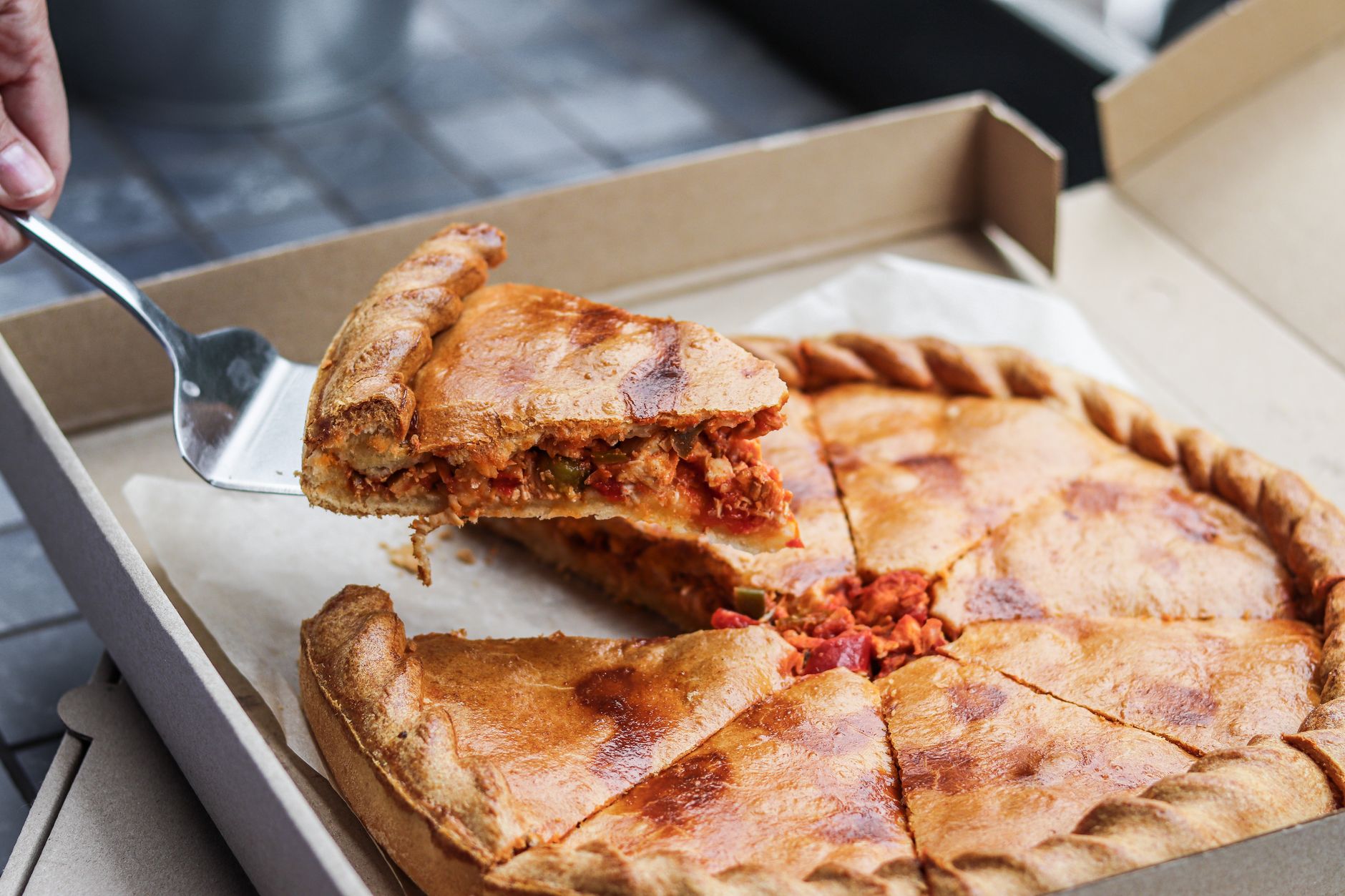
Deep-dish flips the usual pizza order upside down. The dough is pressed up the sides of a deep, oiled steel pan to form a crust that's closer to a pie shell than a typical pizza base — thick, slightly fried on the bottom from the oil, and tall enough to hold a serious amount of filling. Cheese goes down first, directly on the dough, followed by toppings, and then a thick, chunky tomato sauce goes on top of everything rather than underneath. That order keeps the cheese from burning during the much longer bake time (often 30-45 minutes) a pie this thick requires.
It's dense, it's a genuine knife-and-fork meal, and a single deep-dish pie reasonably feeds more people per pound than a thin-crust pie does, which makes it a practical choice for a group that wants to order two or three pies instead of six. Because of the longer bake, it's also one of the few pizza styles worth calling ahead for — some kitchens ask for extra lead time on deep-dish orders during busy hours. You'll find restaurants specializing in the style well outside Chicago itself, including a well-reviewed spot in Oakland, California:
Pizza Restaurants · Oakland, California
Detroit-style pizza is baked in a rectangular steel pan — originally repurposed automotive parts trays, according to the style's own origin story — which gives it a distinct shape and texture no round pizza can match. The dough is thick and airy, similar to focaccia, and brick cheese (or a similar melty, edge-browning cheese) is spread all the way to the corners of the pan. As it bakes, the cheese caramelizes against the hot steel edges, creating a crisp, almost lacy cheese crust around the border of every slice. Sauce is typically ladled on top in stripes after baking, rather than spread underneath.
The result is a pizza where the corner piece — usually the least desirable piece of any other style — is the one people fight over. It's cut into rectangles, not triangles, which is a fast way to spot the style on a menu.
Pizza Restaurants · Murrieta, California
Sicilian pizza predates most of the styles above and shouldn't be confused with Detroit-style, even though both are square and pan-baked. Traditional Sicilian pizza (sfincione, in its home region) uses a thick, spongy dough closer to focaccia, baked in an oiled pan, and is often topped with a robust tomato sauce, onions, herbs and breadcrumbs, with cheese used more sparingly than in the Detroit version — sometimes left off the top entirely. The crust is thick but airy rather than dense, and the bottom gets a deep, oiled fry rather than the caramelized cheese edge that defines Detroit-style.
Two well-reviewed Sicilian specialists on the directory, one in the Dallas, Texas pizza category and one in Grand Rapids, Michigan, show how differently the style still gets interpreted from one kitchen to the next:
Sicilian Pizza · Dallas, Texas
Pizza Restaurants · Grand Rapids, Michigan
| Style | Crust | Cheese placement | Cut | Typical bake |
|---|---|---|---|---|
| New York | Thin, hand-tossed, foldable | Under toppings | Large triangular slices | Deck oven, ~500-550°F |
| Neapolitan | Thin, soft, high-hydration | Under toppings | Whole pie, eaten with fork | Wood-fired, ~800-900°F, under 2 minutes |
| Chicago Deep-Dish | Thick, pressed up pan sides | Under sauce | Wedges, cut like a pie | ~30-45 minutes |
| Detroit | Thick, focaccia-like, in steel pan | To the edges, caramelized | Rectangles | Steel pan, high heat |
| Sicilian | Thick, spongy, in oiled pan | Light or under sauce | Rectangles | Oiled pan, longer bake |
Prices vary a lot by market and by whether you're buying a slice or a whole pie, so check current menu prices directly on each restaurant's listing or website rather than assuming a number here.
If you're eating alone or want something fast, a New York or Neapolitan slice is the better call — both are designed to be finished quickly, hot, without utensils. If you're feeding a group and want the meal to feel like an event, deep-dish is the pick; it takes longer to bake, so call ahead or order in advance if the shop allows it. If you want maximum crispy surface area per slice, Detroit-style delivers more of that caramelized cheese edge than any other format. If you're ordering for a party and want a format that holds up well after sitting out for an hour, Sicilian and Detroit both travel and reheat better than a delicate Neapolitan pie, which is really only at its best in the first few minutes out of the oven. And if you're pizza-curious and want to taste where the whole tradition started, a proper Neapolitan pie — thin, charred, eaten with a fork — is the most direct link back to Naples.
It's also worth checking a listing's category tags before you go: many directory listings are tagged under a general "pizza restaurant" category even when the kitchen specializes in one specific style, so the restaurant name and photos on the listing page are often a better signal of style than the category alone. If you have dietary restrictions, look for restaurants that explicitly list gluten-free or vegan crust options on their menu or website — not every pizzeria offers them, and it's worth confirming before you order rather than assuming.
None of these styles is objectively "the best" pizza; they're solving different problems. New York solved for speed and portability. Chicago solved for a filling, shareable meal. Detroit solved for texture contrast in a home-kitchen pan. Sicilian solved for a hearty, affordable slab that could feed a family. Neapolitan never tried to solve anything — it's the baseline every other style eventually departed from. Trying all five, ideally at restaurants that specialize rather than restaurants that offer a little bit of everything, is the fastest way to actually taste the difference instead of just reading about it.
The fastest way to know what you're getting is to look at the shape and the cut before you look at the menu: round and triangular usually means New York or Neapolitan, deep and wedge-cut means Chicago, and rectangular means Detroit or Sicilian — and from there, cheese placement (under the sauce, or caramelized to the edge) tells you which of those two you're actually holding. Use the We Go Pizza directory to find listings by style-adjacent name and city, check hours and current prices directly with the restaurant, and go in knowing what to expect on the plate.
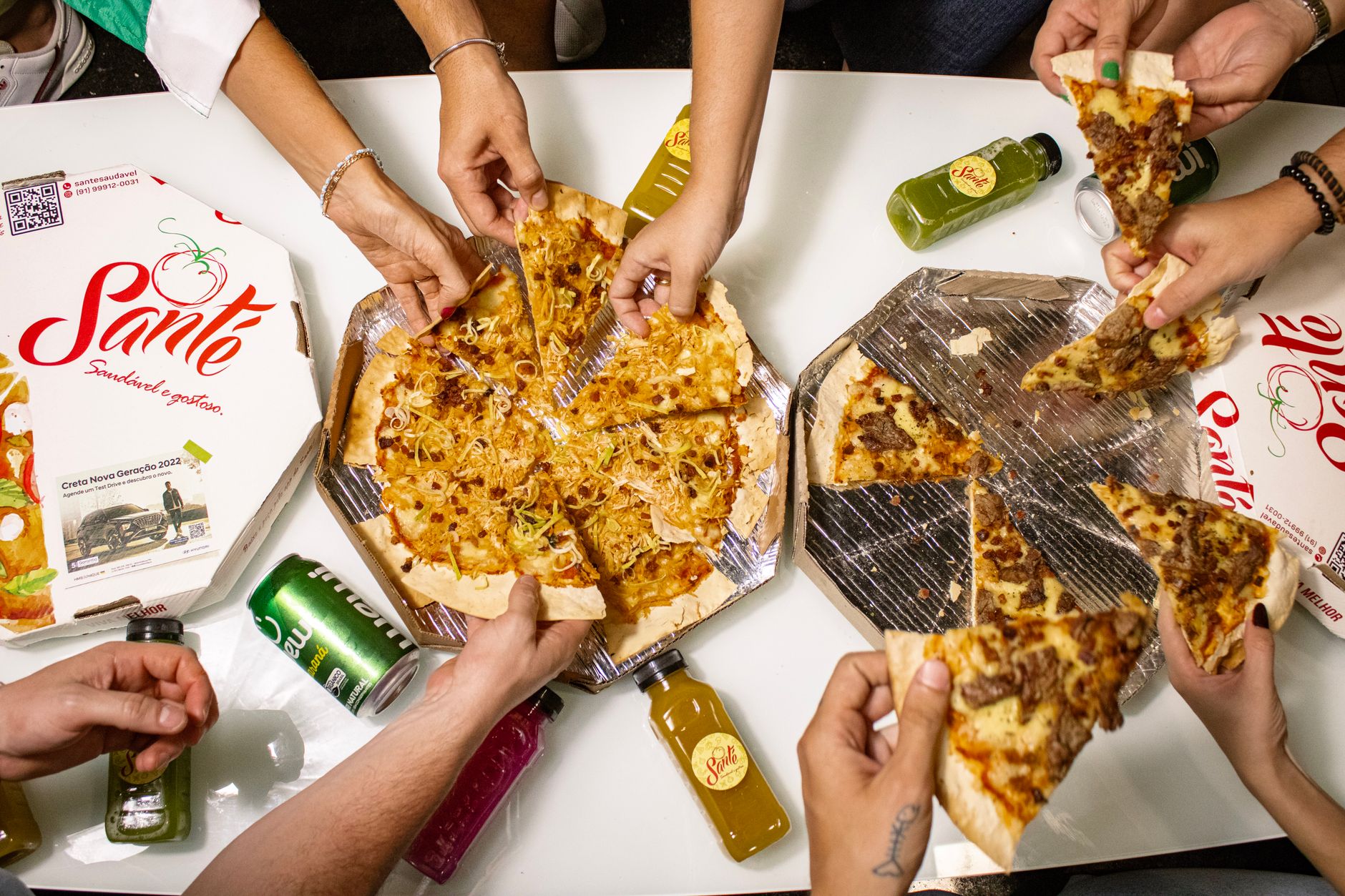
17 Oct 2026 · 7 min read
Halloween weekend swamps Richmond pizzerias. Here is how to time orders, pick delivery vs. pickup, and which shops handle parties best.
Richmond Virginia how-to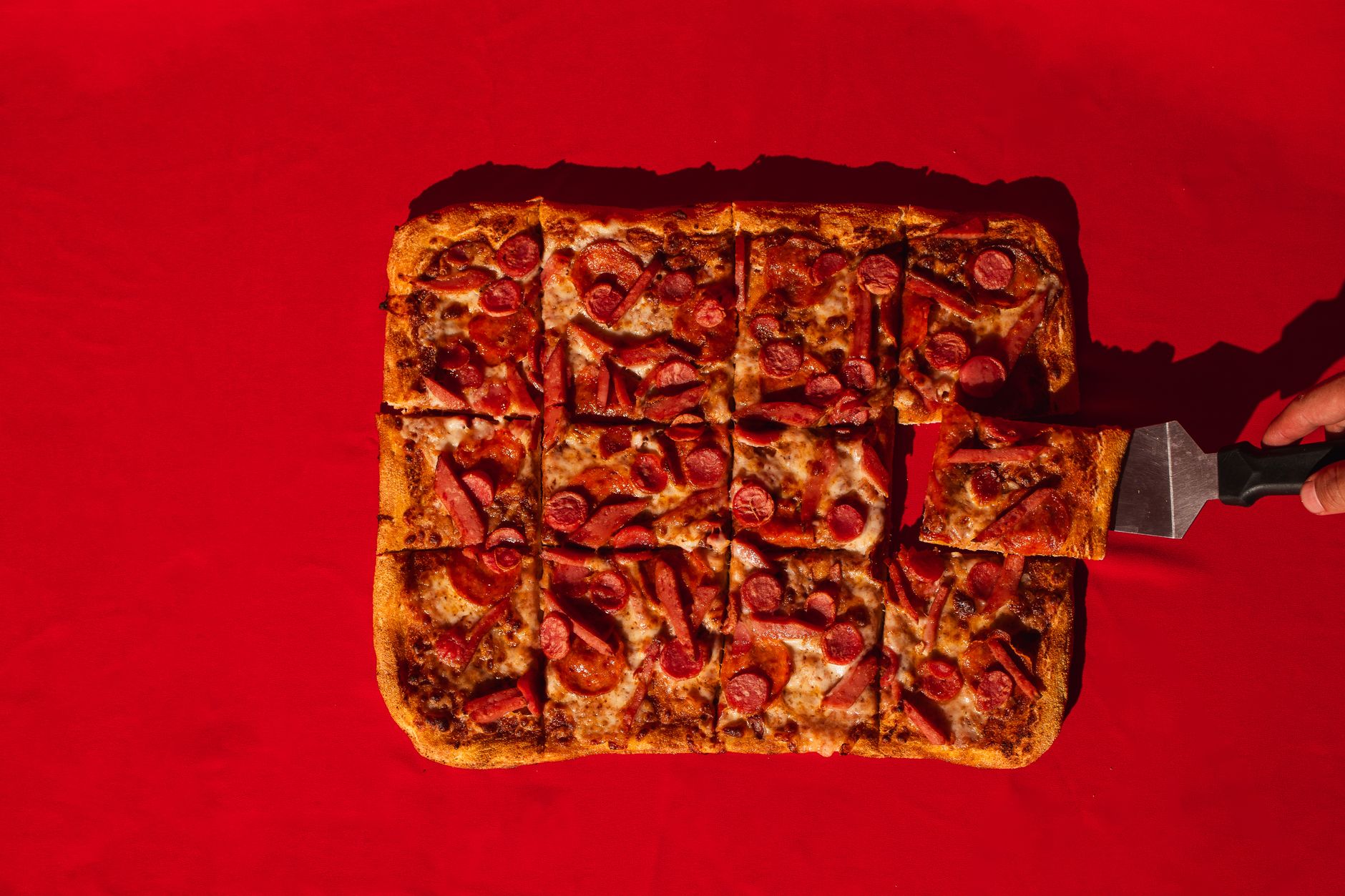
16 Oct 2026 · 7 min read
Verified October 2026 menu prices show Pittsburgh pizza sold two ways: whole pies from $16-$28, or individual cuts around $2-$4 each.
Pittsburgh Pennsylvania cost breakdown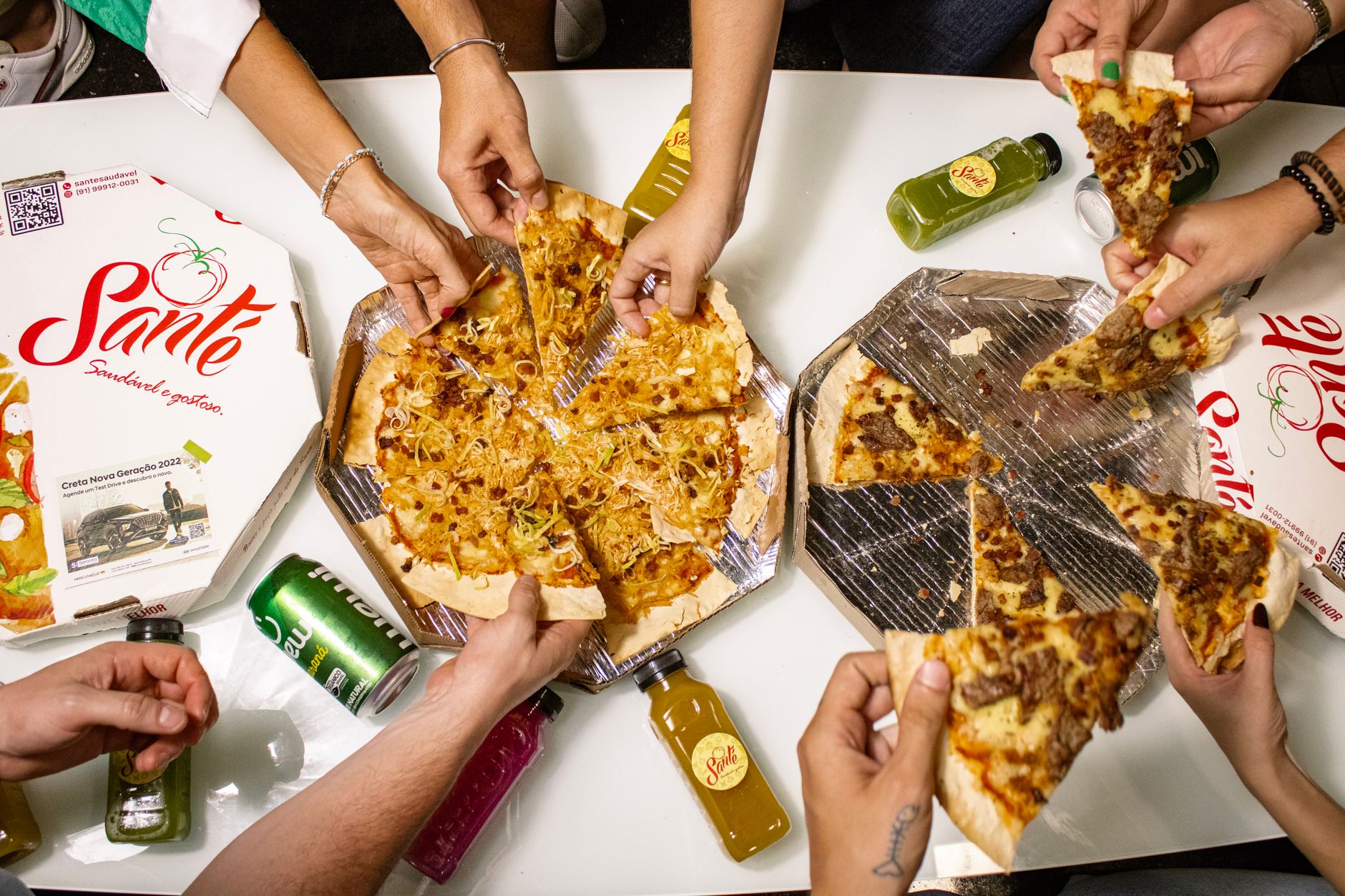
15 Oct 2026 · 8 min read
Headcount math, delivery vs. pickup, and which State College pizzerias stay open late for a dorm floor or study-group pizza order.
State College Pennsylvania how-to